FOR MASSAGE THERAPISTS AND QUALIFIED HEALTH PROFESSIONALS
Interested in learning Pfrimmer?
Build deeper therapeutic skill - not just more pressure.
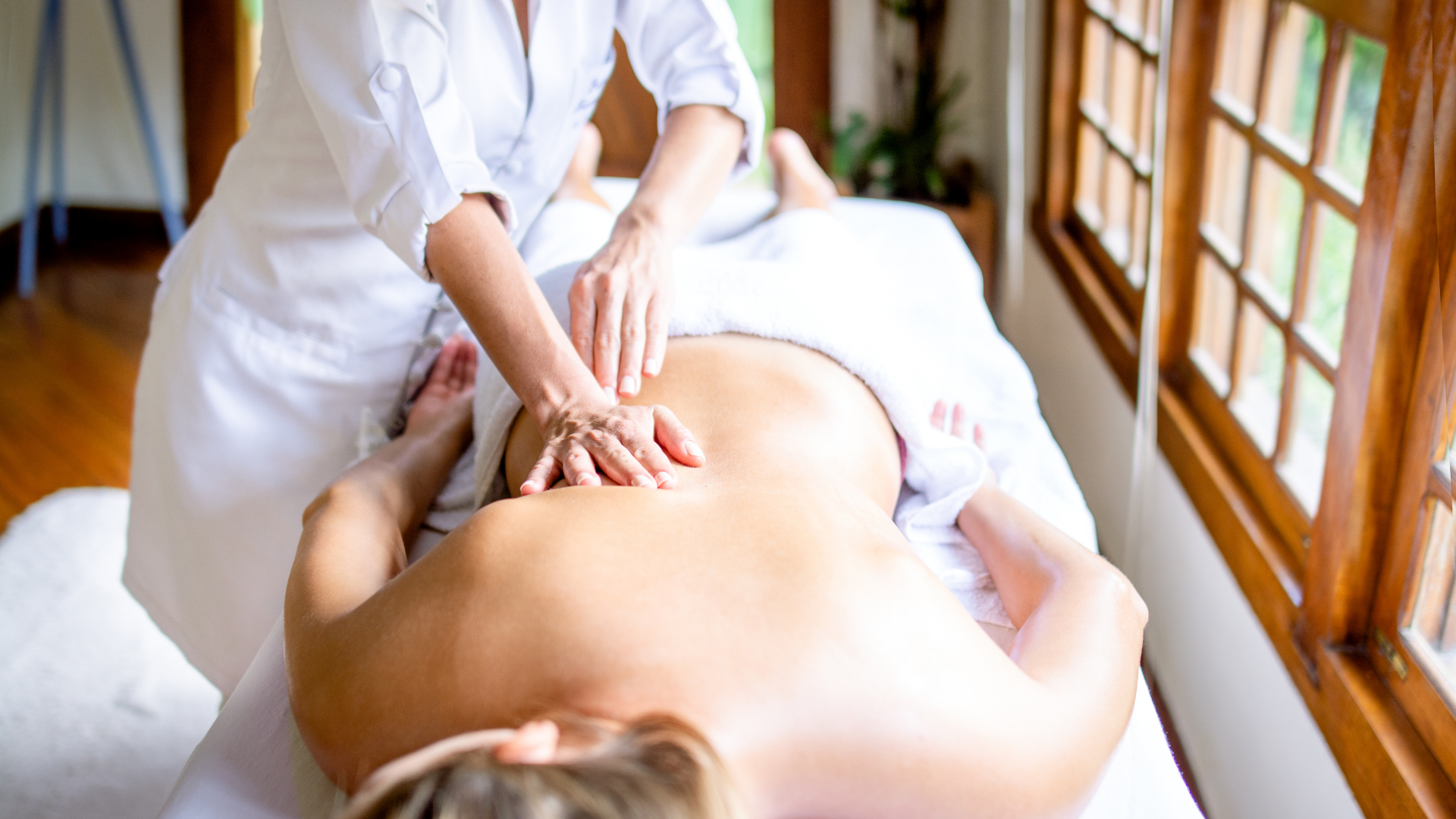
Pfrimmer Deep Muscle Therapy® offers qualified practitioners a structured way to work with muscles and soft tissues when clients come to them with persistent tension, restricted movement, or more complex needs. Basic Pfrimmer provides 50 hours of in-person instruction in the precise techniques, sequencing, assessment, graded pressure, and body positioning that distinguish the method. You will learn through demonstration, guided practice, supervised full-body sessions, and direct instructor feedback.
Whether you’re considering the upcoming class or planning for a future session, this is the place to begin.
Upcoming Basic Pfrimmer Class Info
Dates: November 6–8 and November 14–15, 2026
Location: Nashville, IN
Format: 50 hours over five in-person days
CE Eligibility: 50 NCBTMB CE credits
Tuition: $1,650
Application deadline: September 25, 2026
Can’t attend on these dates? Sign up on this page and we’ll let you know when another Basic Pfrimmer class is scheduled.
Be Notified About Future Basic Pfrimmer Classes
Interested, but not ready for the upcoming session? Join IAPDMT’s email list, and we’ll let you know when new Basic Pfrimmer dates and locations are announced. You’ll also receive occasional updates about other IAPDMT classes, events, and professional-development opportunities. We typically send only a few emails per year.
By signing up, you agree to receive occasional emails from IAPDMT, including announcements about future Basic Pfrimmer classes. You may unsubscribe at any time. We do not sell or share our email list.
What is Pfrimmer Deep Muscle Therapy?
Pfrimmer is a structured, anatomy-informed method of muscle and soft-tissue work developed by Therese C. Pfrimmer. It works across layers of muscle and connective tissue using precise, predominantly cross-fiber techniques, systematic sequences, careful assessment, practitioner and client positioning, and pressure that is graded to the tissue and the individual.
Although Pfrimmer can reach deeper layers of tissue, it is not conventional deep-tissue massage performed with more force. Its depth comes from specificity: where and how pressure is applied, how the body is positioned, and how each area is approached as part of a complete sequence. For qualified practitioners, Pfrimmer offers another way to work thoughtfully with persistent muscular tension, restricted movement, and clients whose needs call for more detailed therapeutic bodywork.
Therapeutic Depth With the Practitioner in Mind
Massage therapy is physical work. Pfrimmer training therefore pays attention not only to what the practitioner’s hands are doing, but also to positioning, leverage, sequencing, and the controlled application of pressure.
Pfrimmer helps practitioners learn how to reach and work with deeper tissue through precision, sound positioning, and deliberate technique, rather than relying on increasingly forceful pressure.
No hands-on method can make physically demanding work effortless or injury-proof, but Pfrimmer can help massage therapists develop working habits that are more sustainable for their own bodies over time.
“I refused to give up. I was determined to walk again.”

Therese Pfrimmer’s Living Legacy: The Story Behind the Pfrimmer Technique
In 1946, Therese C. Pfrimmer lost the use of her legs. Drawing on her existing knowledge of anatomy and massage, she began working on the muscles of her own legs - reaching progressively deeper and working across the muscle fibers. Movement and strength gradually returned. Within three months, she was walking again, and she described her recovery as complete after 18 months.
Determined to understand what she had discovered, Therese pursued postgraduate massage training in Chicago and completed 300 hours of clinical practice. Her own experience became the foundation of the approach she named Pfrimmer Deep Muscle Therapy®. Therese continued developing the method through decades of work with clients. She published her book, Muscles: Your Invisible Bonds, in 1970 and began training other practitioners in 1971.
“I wanted to learn more about Massage and find out if I had truly made a discovery.”
Today, her legacy continues through practitioners and instructors who preserve the method’s defining principles while carrying it into contemporary therapeutic practice. IAPDMT supports that living legacy through structured education, professional standards, continuing development, and practitioner community.

What Pfrimmer Practitioners Report
In a 2025 survey of Pfrimmer practitioners:
reported improved outcomes with clients who had not responded to other modalities.
said offering Pfrimmer helped them stand out from other massage therapists in their area.
said clients referred others because of their results with Pfrimmer.
These findings represent the experiences reported by a limited survey of current Pfrimmer practitioners and are not evidence of guaranteed outcomes.
Why Massage Therapists Choose to Learn Pfrimmer
Massage therapists come to Pfrimmer for different reasons. Many are looking for a more systematic approach to therapeutic work. Others want to strengthen their hands-on judgment, learn to work deeply without defaulting to greater force, or develop a specialization that reflects the kind of practice they want to build.
Basic Pfrimmer may be a good fit if you want to:
Add a detailed, therapeutic method to the options you can draw from when working with persistent muscular tension or restricted movement
Understand how precision, sequence, positioning, and graded pressure shape deeper work
Strengthen your palpation, assessment, and hands-on decision-making skills
Practice body positioning and pressure application with greater attention to your own physical sustainability
Invest in substantial, in-person continuing education rather than a brief introduction or primarily theoretical course
Receive supervised practice and individualized instructor feedback as you learn
Build a distinctive professional specialization within your appropriate scope of practice
Become part of an established educational lineage and practitioner community
“Pfrimmer is one of the best ‘gems’ that I took away from massage school - both the technique and how it makes you think about the body. Worth every penny.”
Eligibility Requirements
Most Basic Pfrimmer students are licensed massage therapists or qualified healthcare practitioners with a solid foundation in anatomy, ethics, and hands-on practice.
To enroll through the professional-practice pathway, you will generally need:
Massage therapy training of at least 500 hours or qualifying healthcare credentials
Appropriate anatomy coursework
Ethics training
Liability insurance and any license or certification required where you practice
An understanding of the laws governing massage/bodywork in your location
Not a licensed massage therapist or healthcare practitioner? In limited circumstances, IAPDMT may consider applicants seeking training strictly for family or personal-care use. Additional requirements and restrictions apply.
What You Learn in Basic Pfrimmer
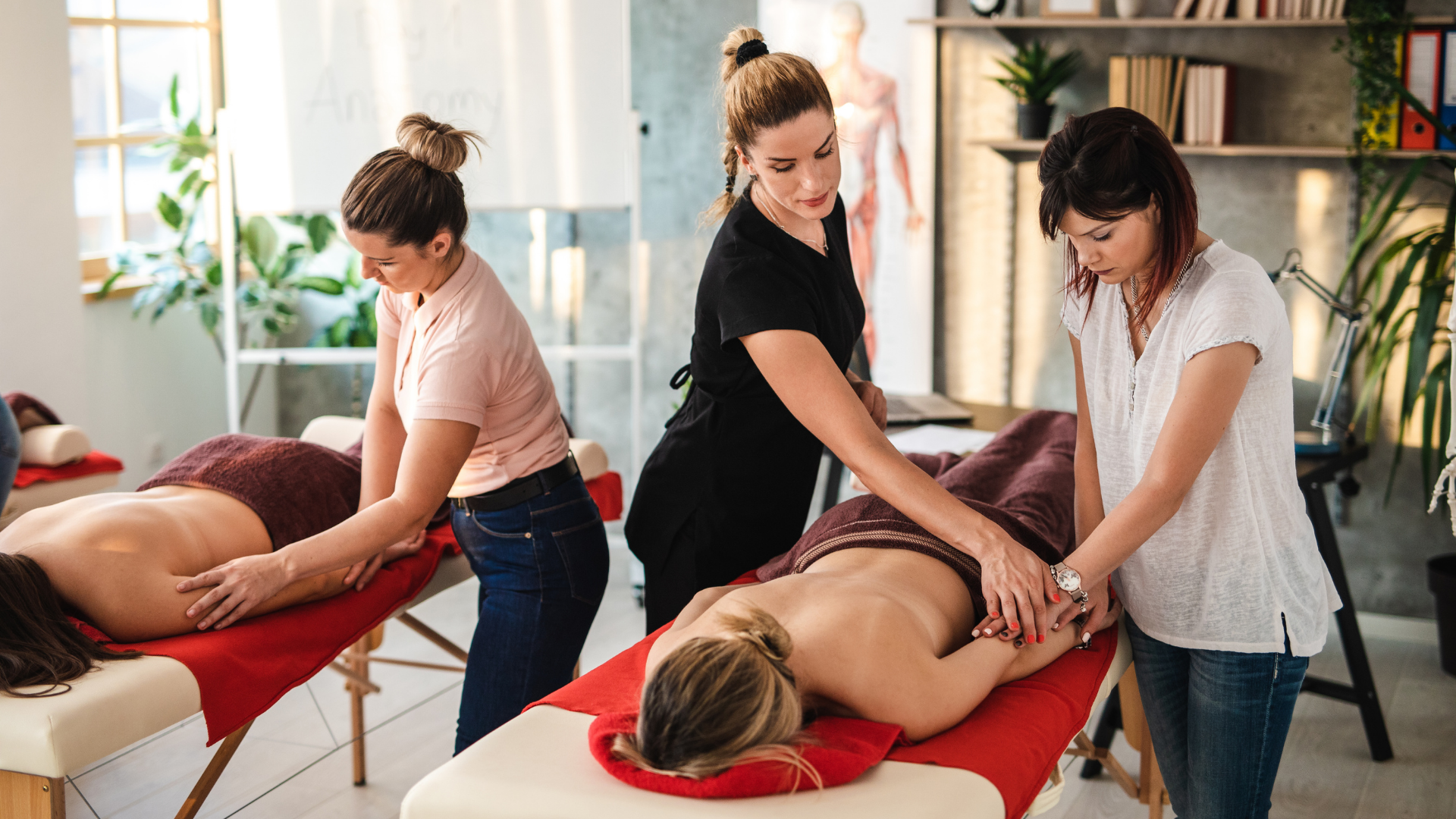
Basic Pfrimmer is a 50-hour, five-day, in-person course combining explanation, demonstration, guided practice, and instructor feedback.
The course is designed to give students time to understand the method, observe and practice individual techniques, learn a complete sequence, and begin integrating the parts into thoughtful full-body work. Students complete at least two full-body Pfrimmer sessions under instructor supervision.
Students who successfully complete the course receive a certificate of completion and 50 continuing education credits through the National Certification Board for Therapeutic Massage & Bodywork.
Basic Pfrimmer is also the prerequisite for Pfrimmer Specifics and Advanced Pfrimmer training. Information about continued training and certification appears in the FAQs below.
Tuition includes: 50 hours of instruction and supervised practice, official course manual, instructor guidance, and certificate of completion. Travel, lodging, and meals are not included.
What the Course Covers:
✓ History and principles of Pfrimmer Deep Muscle Therapy
✓ Proper positioning for the practitioner and client
✓ Traditional Pfrimmer release techniques
✓ Palpation and assessment of muscular and soft-tissue tension
✓ Contraindications and appropriate use
✓ Legal, ethical, and scope-of-practice considerations
✓ At least two supervised full-body practice sessions
Frequently Asked Questions
-
Pfrimmer uses precise, systematic, and sequenced techniques rather than treating “deeper” work as simply applying more pressure. The training emphasizes assessment, specificity, practitioner and client positioning, and pressure that is graded to the tissue and the individual.
-
Basic Pfrimmer is primarily designed for massage therapists and other qualified health professionals who meet IAPDMT’s education, anatomy, ethics, insurance, and legal-practice requirements. A limited family-use eligibility pathway may also be considered in certain circumstances.
Review complete eligibility requirements here. -
Pfrimmer is a substantial hands-on method. The 50-hour format gives students time to learn its principles, observe techniques, practice individual applications and full-body sequences, receive instructor feedback, and demonstrate their developing skills under supervision.
The course provides a full five days of focused mental and physical learning rather than a brief overview.
-
Basic Pfrimmer combines classroom explanation and demonstration with extensive hands-on practice. Students practice on instructors or one another, ask questions, and receive guidance from experienced practitioners as they develop their positioning, pressure, sequencing, and technique.
Class sizes are limited to allow for individualized feedback.
-
Tuition for the currently scheduled Basic Pfrimmer class is $1,650. It includes 50 hours of in-person instruction, demonstration, supervised hands-on practice, instructor feedback, an official course manual, and a certificate of completion.
Travel, lodging, and meals are not included. Tuition and other course details may be confirmed for each scheduled session here.
-
Yes. The 50-hour Basic Pfrimmer course qualifies for 50 NCBTMB continuing education credits. Students must complete all required hours to receive the course certificate and continuing education credit.
-
No. Course completion and certification are not the same. Basic Pfrimmer enables you to practice Pfrimmer massage on clients (subject to applicable laws, regulations, and professional requirements) and is the first step in the broader IAPDMT education and certification pathway.
-
No. Once you complete Basic Pfrimmer, you may practice Pfrimmer on clients in accordance with the terms of your training and any applicable professional, legal, and scope-of-practice requirements. Certification is not required to begin using the work with clients.
Certification and additional training remain available for practitioners who want to deepen their knowledge, expand their skills, and continue through Pfrimmer Specifics, Advanced Pfrimmer, and the complete certification pathway.
-
Review the complete course and eligibility information, then submit the Basic Pfrimmer application and the required registration materials on this page.
-
Join the future-class interest list at the top of this page. We’ll contact you when additional dates and locations are announced.
Interested, but need different dates?
Add your name to the future-class interest list, and we’ll let you know when another Basic Pfrimmer class is scheduled.
Have questions before you decide?
Not sure whether Basic Pfrimmer is right for you? Connect with a Pfrimmer instructor to ask about the course, what to expect, or how the training could fit your professional goals.
Basic Pfrimmer is offered by the International Association of Pfrimmer Deep Muscle Therapists. Course information, eligibility requirements, continuing education approval, tuition, dates, and locations are subject to confirmation for each scheduled class.