
For Health & Wellness Practitioners:
What is Pfrimmer Deep Muscle Therapy?
Expand Your Techniques with Pfrimmer Deep Muscle Therapy
As a massage therapist or holistic wellness professional, you’ve likely already developed skills that relieve muscle tension and pain. Pfrimmer Deep Muscle Therapy can expand that toolbox with a systematic approach designed to work through the layers of muscle and soft tissue.
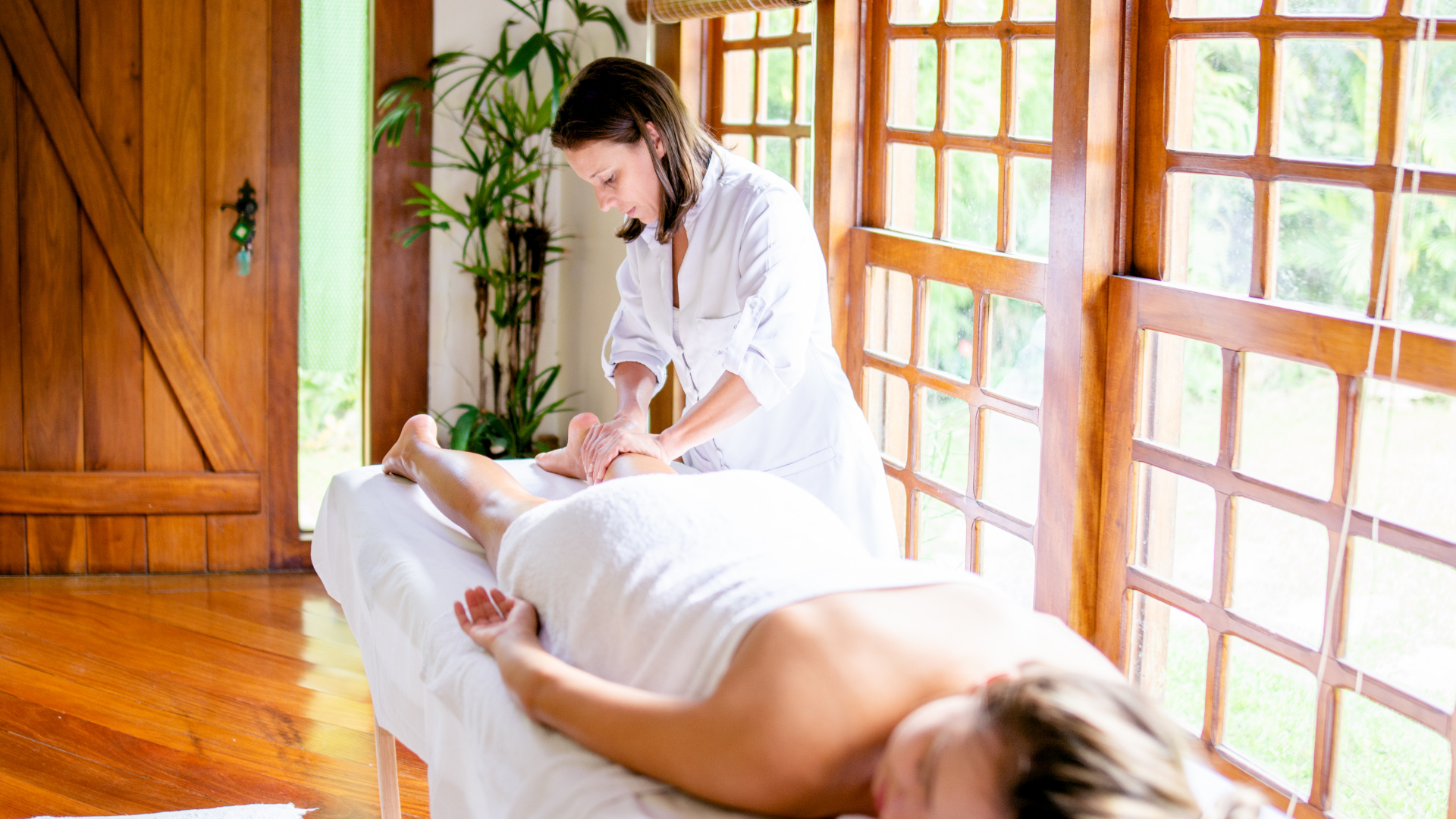
Pfrimmer uses precisely sequenced movements to address restrictions within muscle fibers and surrounding tissues. Its focus on circulation, mobility, adhesions, fascia, and nerve involvement gives practitioners another way to approach persistent soft tissue problems—particularly when a client has not achieved the desired results through other forms of bodywork.
Rather than replacing the modalities you already use, Pfrimmer can complement them. Adding Pfrimmer to your skill set can help you:
Approach persistent or complex muscle and soft tissue problems with greater specificity
Work more systematically with restrictions affecting movement and function
Expand the range of clients and conditions you are equipped to address
Deepen your understanding of anatomy, muscle function, and soft tissue dysfunction
The International Association of Pfrimmer Deep Muscle Therapists preserves Therese C. Pfrimmer’s original technique through hands-on training, continuing education, and professional standards. Explore below to learn how Pfrimmer works, how it can complement your existing practice, and what training can add to your work.
How Pfrimmer Complements Your Work
For clients who haven't fully responded to your traditional massage, Pfrimmer can:
Improve range of motion limited by stiff or tight muscles
Speed relief of muscle spasms, strains, and injuries
Encourage detoxification and lymph drainage at the cellular level
Function as passive exercise to complement active rehab programs
How Pfrimmer Benefits Your Practice
As a health practitioner, Pfrimmer training can:
Treat conditions you currently refer out - keeping more clients within your practice
Command premium fees for your Pfrimmer deep tissue expertise
Strengthen your knowledge of anatomy, kinesiology, and muscle physiology
Provide a comprehensive solution for any neuromusculoskeletal complaint

How Pfrimmer Helps Your Clients
When combined with your existing skills, Pfrimmer offers clients:
• Faster recovery from acute muscle conditions
• Lasting relief of muscle spasms and trigger points
• Improved structural body alignment
•Reduced susceptibility to future injury

Understand the Mechanisms Behind the Pfrimmer Technique
As a health practitioner, understanding Pfrimmer's mechanisms of action - and how to apply its techniques within your scope of practice - will help you identify and resolve complex soft tissue issues more effectively. Pfrimmer training can expand your expertise and complement your existing skill set for improved patient outcomes.
Pfrimmer Deep Muscle Therapy uses specific movements and pressures to:
Release tight, hypertonic muscles causing pain and limited range of motion. This reduces clients' reliance on medication and invasive procedures.
Separate muscle fiber adhesions and stretch shortened fascia that impairs muscle function. By restoring proper sliding mechanics, Pfrimmer resolves sources of myofascial trigger points and pain.
Increase intramuscular blood flow and stimulate lymph drainage. The improved circulation nourishes damaged muscle cells for faster recovery and repair.
Act as a form of passive exercise by stimulating muscles without straining injured areas. When combined with your existing treatments, Pfrimmer can significantly augment outcomes.
Pfrimmer's systematic movement patterns and precisely graded pressures:
Target myofascial trigger points and entrapped nerves that cause neuromuscular dysfunction
Lengthen muscles that have contracted due to immobilization or misuse
Release fascia restrictions to allow for improved posture, range of motion, and structural alignment

“There is a definite area of medical neglect today involving soft tissue therapy. Muscle therapists generally do much to fill this present need. I have been particularly impressed with the Pfrimmer Therapists I have observed.”
Conditions THAT May Improve With Pfrimmer Deep Muscle Therapy:
ALS (Lou Gehrig’s Disease) · Arthritis · Bell’s Palsy · Brain Injury · Carpal Tunnel Syndrome · Cerebral Palsy · Constipation & Digestive Distress · Fibrositis & Fibromyalgia Syndrome · Headaches · Heart Problems · Joint & Muscle Pain · Lupus · Memory Loss · Multiple Sclerosis · Muscular Dystrophy · Neuralgia · Neuritis · Occupational Injuries · Paralysis · Parkinson’s Disease · Polio · Poor Circulation · Sciatic Pain · Scoliosis · Sports Injuries · Stroke · TMJ (Temporomandibular Joint Syndrome) · Tendonitis & Bursitis · Trauma & Car Accidents · Whiplash
Add Pfrimmer to Your Toolkit
To bring Pfrimmer's benefits to your clients, consider:
Attending an introductory Pfrimmer therapist training
Taking a multi-day certification program
Adding specific Pfrimmer techniques to address your clients' most common issues
By incorporating select Pfrimmer deep muscle movements, you can complement and boost your current massage and bodywork - helping clients who need more advanced soft tissue work achieve better results.
Deep Tissue. Deeper Healing.
For the Muscles
Pfrimmer techniques loosen tight muscles and separate adhered fibers. This improves blood flow to nourish sore, overused muscles and relieve pain.
For the Nerves
By freeing trapped nerves, Pfrimmer decreases inflammation and congestion along nerve pathways. This relieves conditions like neuropathy, sciatica, and carpal tunnel syndrome.
For the Organs
Pfrimmer allows better blood flow and nerve communication to keep organs functioning optimally, benefiting conditions like high blood pressure, digestive issues, and respiratory problems.
For the Reproductive System
Pfrimmer improves circulation and relaxes tight pelvic floor muscles, relieving congestion that may contribute to infertility, menstrual pain, and sex discomfort, as well as toning weakened pelvic floor muscles after childbirth.
For the Joints
Pfrimmer releases restrictions in surrounding muscles, tendons, and ligaments. Better mobility and alignment ease joint pain and improve functioning.
For the Skin
Improved circulation from Pfrimmer nourishes your skin from within, moisturizing dry skin and improving tone and elasticity. It can reduce signs of aging.
For the Urinary System
Pfrimmer releases tight muscles and adhesions near the kidneys and bladder that can cause painful spasms, urinary issues, and incontinence.
For the Whole Body
By comprehensively addressing underlying muscle tightness and imbalances, Pfrimmer deep tissue massage promotes healing, relief from pain and stiffness, and improved mobility and well-being.
FAQs
-
Pfrimmer uses scientific, systematic movements and pressures to release tight, painful muscles and speed the repair of damaged soft tissues. Training in Pfrimmer techniques can augment your existing skills to treat chronic conditions unable to heal on their own.
-
Pfrimmer concentrates on resolving underlying soft tissue dysfunction that can hinder results from other modalities. When integrated into your treatments, Pfrimmer may reduce complications, shorten recovery times and improve patient satisfaction.
-
Absolutely. Pfrimmer focuses on mobilizing fascia, stretching contracted muscles, and freeing trapped nerves - targets that other modalities often cannot fully address. Learning Pfrimmer techniques strengthens your knowledge of muscle physiology and how to effectively repair dysfunctional soft tissues.
-
By comprehensively targeting the soft tissue factors underlying their health conditions - like nerve pain, reduced mobility, and cardiopulmonary complications due to tight muscles. Pfrimmer can complement existing therapies to resolve barriers keeping patients from optimal wellness and functionality.
-
Pfrimmer is most commonly performed by licensed massage therapists and other qualified healthcare practitioners who complete extensive hands-on training in Therese C. Pfrimmer’s techniques. Practitioners should have a strong foundation in anatomy, physiology, ethics, and bodywork.
In limited cases, the Association may also consider non-licensed applicants who are strongly recommended, demonstrate integrity and professionalism, and intend to learn Pfrimmer only for appropriate family or personal-care use. These students are not authorized by Pfrimmer training alone to practice massage professionally or provide services outside the legal limits of their location.
-
Yes! Staying updated on advancing research and new applications of Pfrimmer deep muscle repair helps ensure you're providing the latest, most effective Pfrimmer therapy to overcome complex musculoskeletal issues within your scope of practice. Continuing education validates your skills to potential referral sources and cash-paying clients seeking specialist care.
-
Pfrimmer certification demonstrates your advanced expertise in addressing complex soft tissue dysfunction. This can command premium fees and attract new clientele seeking solutions to lingering injuries and conditions. Plus, Pfrimmer training provides solutions you can keep "in house" rather than referring out, boosting revenue potential.